
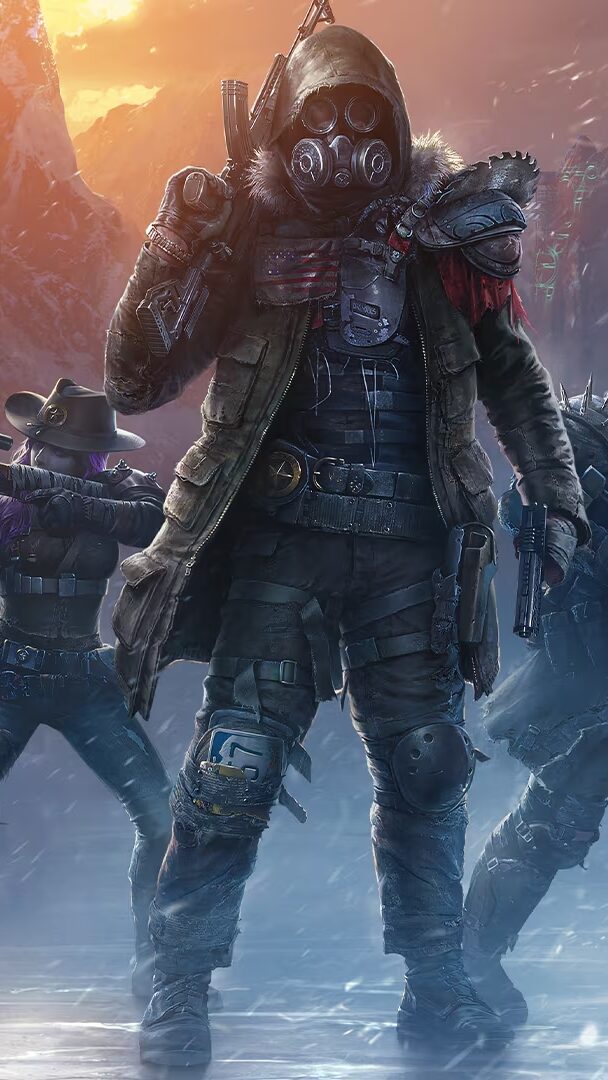
If the world ever ends, trust us. We’ll know how to handle it. We’ve seen it all in post-apocalyptic games. Nuclear fallout, zombies, ruined cities, and even loot systems where bottle caps count as currency. And there we are, as usual, with three cans of food in our backpack, a homemade shotgun in hand, and one thought in our head:
“That building looks dangerous but maybe there’s something useful to loot inside.”
These post-apocalyptic games aren’t just about surviving. They capture the essence of a world where everything’s gone wrong, but we still rely on the familiar rhythms of survival gameplay. Whether in Fallout’s Wasteland, The Last of Us’s abandoned cities taken back by nature, or Metro’s claustrophobic tunnels, the feeling is the same:
“The world is broken, but I’m still here, digging through every crate like it might save my life.”
Life May Be Over, but the Quest Must Go On
Have you ever noticed how the most ordinary actions feel legendary in post-apocalyptic games? Finding a bottle of clean water feels like a miracle. Fixing a rusty generator is a major accomplishment. And hearing five seconds of static music on a broken television from the 1960s? That’s practically magic. The funny part is that we genuinely enjoy it.
These games keep pushing us with tough situations, but beating them always feels rewarding. In a world like this, you stop caring about normal life and start focusing on staying alive. If it’s not the radiation that kills you, it’s the zombies. If not the zombies, it’s thirst. And if you somehow dodge all that, there’s always a mysterious note waiting to drag you on a weird side quest.
Post-apocalyptic games are not just about destruction. They are also about starting over. A collapsed building might hide a journal, just a few pages long, but enough to make you stop and think,
“They were just trying to live… just like us.”
Everything is in ruins. And yet, somewhere in the corner, an NPC is still playing the guitar. A child is drawing on a wall with a piece of charcoal. And in that moment, it doesn’t feel like a game. It feels strangely real.
In these broken worlds, chaos makes more sense than real life sometimes. The rules are harsh but clear. And that’s what makes every little win so satisfying.
Still, no matter what we face in this world, we always find ourselves going back to looting.
What If It Were Real?
How many of us would actually survive the first week of a real apocalypse? We all know the truth.
There’s no morning coffee. No fast travel. No companion watching our back. Most of us would probably be stuck in the crafting menu, wondering if the yellow bottle was for healing or something else, right before a zombie gets us.
And honestly, that’s okey.
We don’t play these games to feel realistic. We play them for the chaos, the excitement, and because they make us feel like we have a mission.
Post-apocalyptic games have something to say, even if they don’t say it out loud.
“Even if the world ends, a player keeps going. Sometimes for loot. Sometimes for the tiniest bit of hope.”
Civilization crumble. Cities fall. Tunnels collapse. And still, when we see a glowing green crate tucked in the corner of a ruined room, we head straight for it. Because maybe, just maybe, that crate has something that changes everything. A single nail. A wire. Or yes, a 1964 hair dryer.
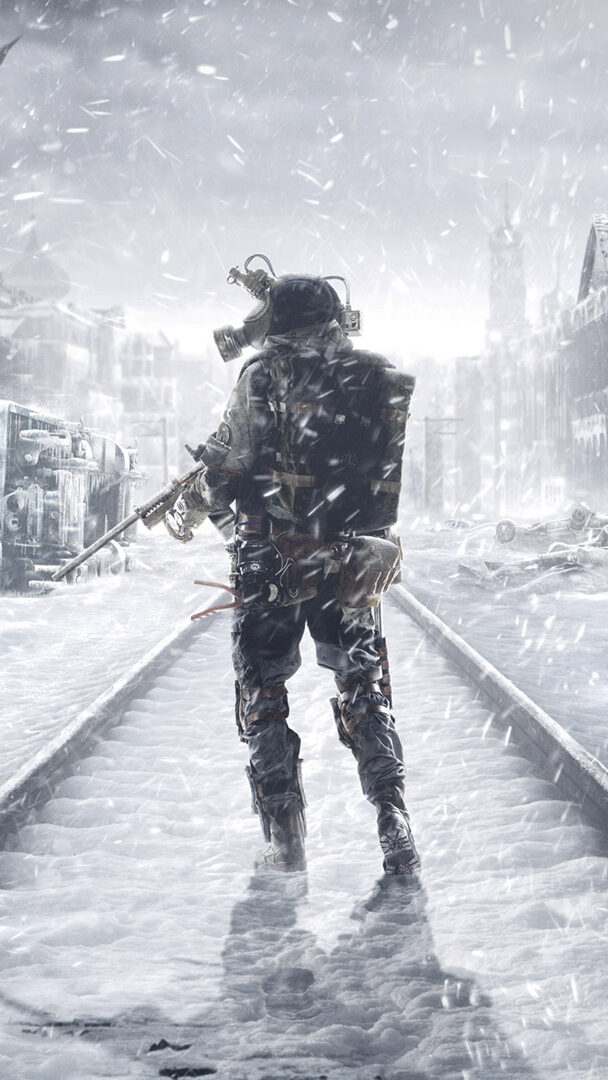
Do we really need it?
Not at all.
But is it loot?
Absolutely.
And where there’s loot, there’s us.
Doğukan USLU
Plus Localization